Business Consulting
DigitalResource Alternatives for Business Consulting
Last Updated: November 12, 2026
Quick Summary
A digitalresource alternative for business consulting depends on your need: DigitalResource is a digital consulting and marketing agency, so buyers needing HR, DEI, leadership or strategy work should choose a boutique or specialist firm such as First Choice National Consulting Group. Match the provider category to your problem before comparing brands.
- DigitalResource is a digital consulting and marketing agency, not a business strategy or HR consultancy.
- Business consulting software helps run a practice but does not deliver consulting advice.
- Match the problem to the provider category before comparing firms on brand.
- Ask who specifically will do the work and whether they stay through implementation.
- Request references from companies your size and sector before committing.
Table of Contents
- What DigitalResource Actually Refers To, and Why the Query Confuses Buyers
- How We Evaluated DigitalResource Alternatives: Pricing, Fit and Evidence
- DigitalResource vs. Key Alternative Providers: Comparison Table
- Business Consulting Software Is Not a Consulting Firm: Know Which You Need
- Consulting Platforms for Independent Consultants Compared
- Consulting Business Tools That Support Delivery and Client Outcomes
- Where First Choice National Consulting Group Fits in Your Shortlist
- Choosing Your Consulting Partner: What to Ask Before You Commit
- Frequently Asked Questions
What DigitalResource Actually Refers To, and Why the Query Confuses Buyers
Search for a digitalresource alternative for business consulting and you will hit a wall of mismatched results. Some pages describe a digital consulting agency, others list software platforms, and a few cover full-service strategy firms. The confusion is real, and it costs buyers time.
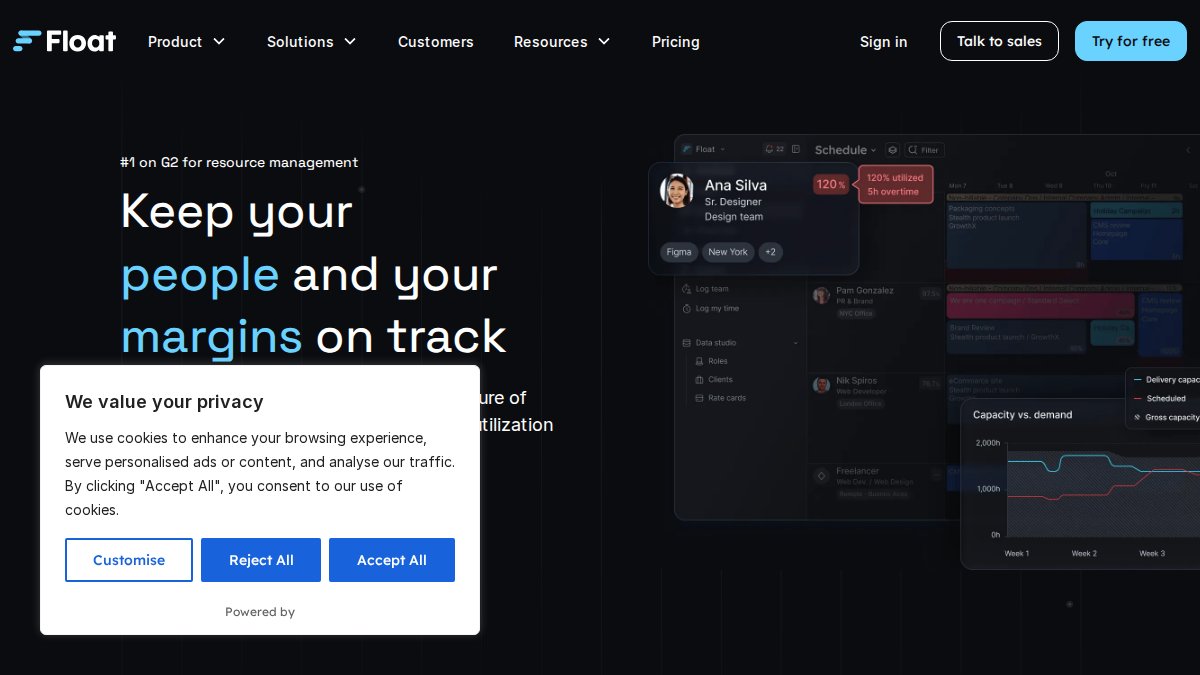
DigitalResource is described here as a digital consulting and marketing agency, not a business strategy or HR consultancy. That distinction matters because many people searching for a "digitalresource alternative" actually need something else entirely: a consulting firm that handles organizational design, human resources, leadership development, or DEI work. No amount of agency swapping will solve that problem.
Below, we separate the categories, compare real options, and show you how to pick the right fit.
U.S. Bureau of Labor Statistics management consulting services overview
How We Evaluated DigitalResource Alternatives: Pricing, Fit and Evidence
A common mistake is comparing firms on brand recognition alone. Our work shows real client engagements and outcomes to weigh alongside the shortlist. A global firm with deep staffing benches may be the wrong fit for a mid-sized company that needs fractional HR leadership, not a multi-year transformation program.

DigitalResource vs. Key Alternative Providers: Comparison Table
The table below separates alternatives by delivery model, not just brand size, because the most common buying error is comparing a digital agency to a strategy firm or a software platform. Each row states what the provider actually delivers, how engagements are typically structured, and what evidence to request before shortlisting.
| Provider type | What it delivers | Typical engagement model | Cost drivers to ask about | Evidence to request |
|---|---|---|---|---|
| DigitalResource (digital consulting and marketing agency) | Web, campaign, and digital marketing execution | Project fee or monthly retainer | Scope of channels, creative rounds, ad spend management | Campaign results, portfolio, retention rate |
| Global strategy firms | Large transformation, operating-model redesign | Phase-based program with blended teams | Team seniority mix, travel, duration, change-management scope | Named case studies, referenceable clients of similar size |
| Technology consultancies | Platform build, engineering, systems integration | Fixed-scope build or staff augmentation | Engineering seniority, discovery phase, post-launch support | Delivery examples, architecture references |
| Boutique and specialist firms (including First Choice National Consulting Group) | HR, DEI, leadership development, fractional C-suite, strategy | Engagement-based, quoted per scope; fractional retainers for ongoing roles | Number of senior days, assessment tools, implementation support | Client outcomes, references in your sector and size band |
| Independent consultants | Narrow, defined projects or interim gaps | Day rate or fixed fee | Availability, depth of specialty, handover documentation | Direct references, sample deliverables |
A common pattern is that buyers compare the largest brand against the smallest specialist and skip the middle category, which is often where fit lives. A mid-sized company needing fractional HR leadership is poorly served by a multi-year transformation program and equally poorly served by a solo consultant without backup capacity.
Watch out: treating 'contact for pricing' as a neutral signal. Ask directly what a typical engagement of your scope cost the last three clients, and whether the quote includes implementation or stops at recommendations.
Business Consulting Software Is Not a Consulting Firm: Know Which You Need
Business consulting software helps you run a consulting practice; it does not deliver consulting advice. That single sentence resolves most of the confusion behind this query.
If you are an independent consultant or run a small firm, consulting platforms for independent consultants can help with tasks such as client management, scheduling, billing, and reporting. If you are a company buying advice, you need a consulting firm. Mixing the two wastes budget.
Software categories you will encounter include project management, customer relationship management, client tracking, scheduling automation, accounting and financial management, document collaboration, and data visualization and reporting. Each supports delivery. None replaces expertise.
If you have realized you need a firm rather than a platform, review our capabilities to judge fit before you shortlist.
Consulting Platforms for Independent Consultants Compared
Independent consultants face a different decision. The market offers resource management and delivery tools that support use, profitability, and client tracking.
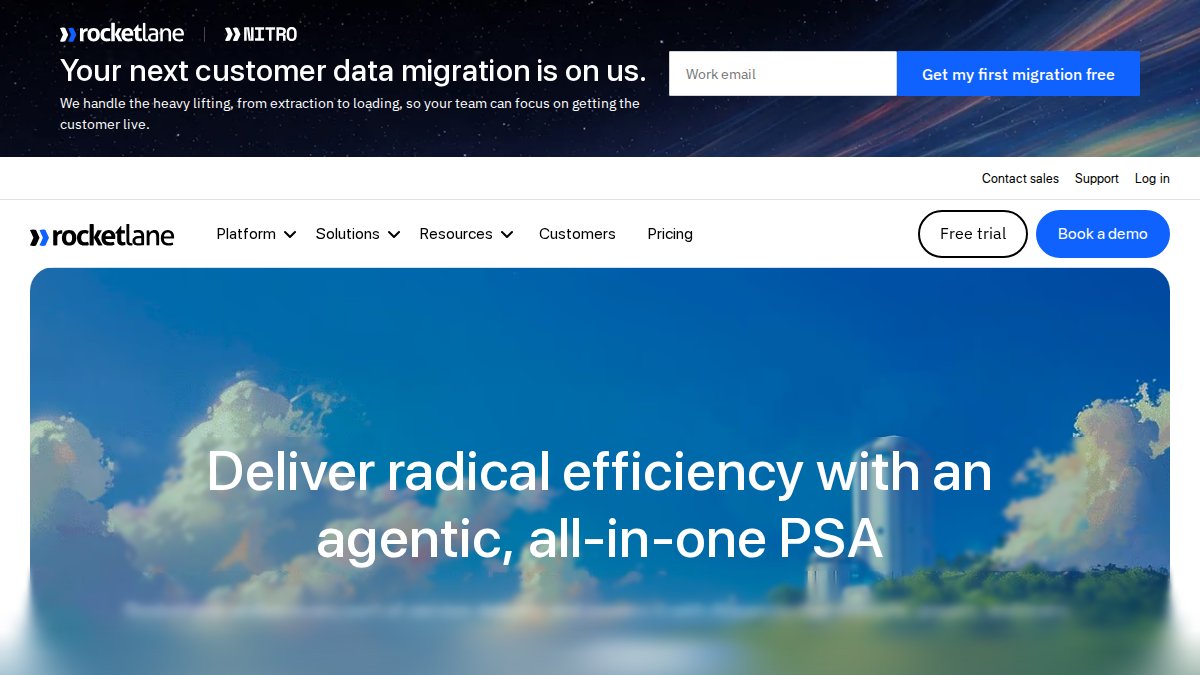
Watch out: buying a resource management tool before you have consistent project volume. The subscription outlives the need.
Consulting Business Tools That Support Delivery and Client Outcomes
Consulting business tools fall into a handful of practical categories, and most firms need only a few of them. The goal is operational efficiency, not a bloated stack.
- Project and task management: tracks scope, milestones, and deliverables
- Client relationship and pipeline management: records leads, proposals, and client history
- Scheduling and appointment management: automates bookings and reminders
- Accounting and billing: handles invoicing and financial management
- Data visualization and reporting: turns engagement data into client-ready reports
- Document collaboration: keeps proposals and deliverables version-controlled
Start with the category that solves your biggest bottleneck. A firm losing track of billable hours needs accounting integration before it needs a reporting dashboard. For a view of the full range of support a firm can provide alongside these tools, see our services.
Where First Choice National Consulting Group Fits in Your Shortlist
First Choice National Consulting Group is a professional consulting firm, not a software platform.
That mix suits organizations that need senior expertise without a full-time hire.
To see how an engagement is structured, review our business consulting services.
Choosing Your Consulting Partner: What to Ask Before You Commit
Test 1: Scope fit. Match the problem to the provider category before comparing firms. If the need is a defined deliverable such as an HR compliance audit or a leadership program, a specialist or boutique firm fits. If the need is a multi-year operating-model change, a global firm's bench matters. If the need is ongoing senior presence without a full-time hire, a fractional retainer fits. A firm that is excellent in one category is often mediocre in another.
Test 2: Team and continuity. Ask who specifically will do the work, how many days each person will be engaged, and whether those named people will stay through implementation. A common pattern is a senior partner in the pitch and junior staff in delivery; that is not automatically wrong, but you should price it accordingly and confirm who reviews the work.
Test 3: Evidence and measurement. Ask for references from companies your size and sector, and ask those references whether the firm stayed through implementation and whether the results held after the engagement ended. Agree on what success looks like and how it will be measured before work starts.
Test 4: Cost structure and exit. Ask what the engagement costs, what is included versus billed separately, and what happens at the end: who owns the deliverables, whether your team is trained to sustain the work, and what handover documentation you receive.
When not to hire a consulting firm. If the problem is tracking billable hours, managing client pipelines, or scheduling, a software platform is the cheaper and faster answer; a consulting firm will charge for advice you can operationalize yourself. If the problem is a one-time defined task your existing team can absorb, an internal owner with a clear deadline may beat an external engagement. External consulting earns its cost when the need is specialized expertise, independent judgment, or senior capacity you cannot hire quickly.
When you are ready to start the conversation, contact us to discuss scope and fit.
Frequently Asked Questions
What is the difference between consulting software and a consulting firm?
Consulting software is a tool that helps you run a practice: project management, resource scheduling, billing and client tracking. A consulting firm supplies people and expertise to solve problems in your organization. A digitalresource alternative could mean either, which is why the query confuses buyers. Decide first whether you need a platform to manage work or a provider to deliver it, then compare options in that category.
How do I choose a business consulting provider?
Start with the problem you need solved and the outcome you expect, then check four things: relevant sector experience, a clear engagement model, evidence from comparable clients, and whether the team stays for implementation. Ask how pricing is structured and what success looks like at 90 days. For a digitalresource alternative, confirm whether the provider offers fractional C-suite support, HR, leadership development or DEI work, since coverage varies widely.
What tools do independent consultants need to run their business?
Most independent consultants need four categories: project and task management, client relationship and pipeline tracking, scheduling and appointment management, and accounting or invoicing. Choose tools based on the number of concurrent engagements you run, not on feature lists.
Is a smaller consulting group a real alternative to a large global firm?
It depends on the scope. Large firms bring breadth and staffing depth for digital transformation programs. Smaller groups often suit mid-sized organizations that need senior attention on organizational restructuring, HR infrastructure or DEI strategy without a large team. Ask both types for comparable client evidence, the named people who will do the work, and how implementation support is handled after recommendations are delivered.
What should I ask about pricing before signing a consulting engagement?
Ask whether pricing is fixed-fee, retainer or day-rate, what is included in scope, and how changes are billed. Request a written scope with deliverables and a timeline. Pricing depends on scope, duration and delivery model, so get a quote rather than relying on published figures. Compare the total cost of the engagement against the cost of a full-time hire if you are weighing fractional executive support.
